Is Your Company Legally Protected? Risks Entrepreneurs Overlook
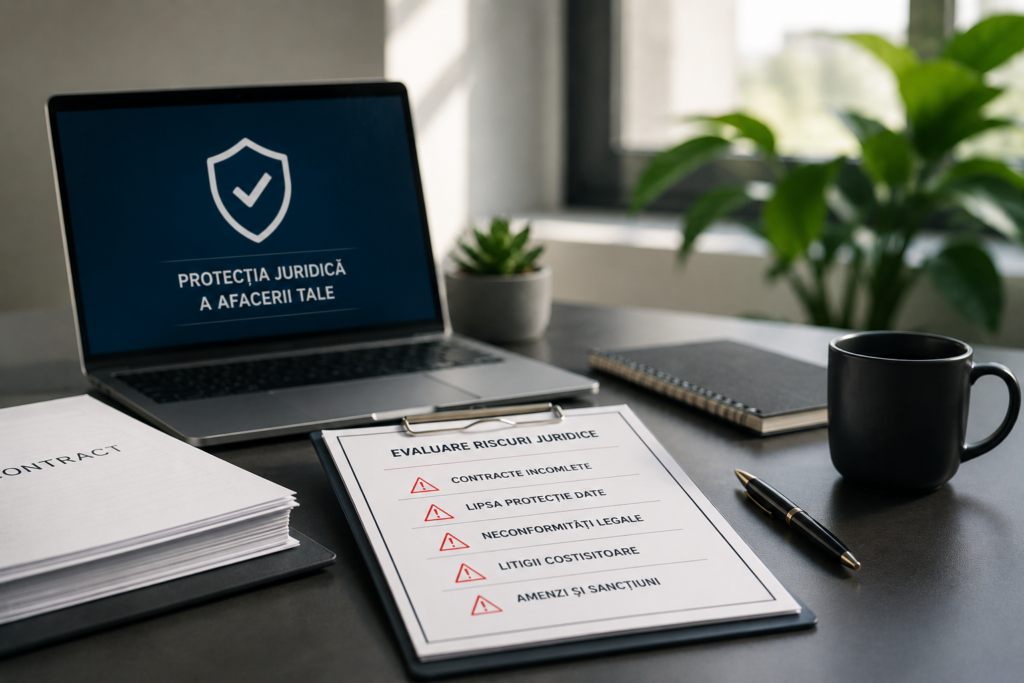
Many entrepreneurs treat the legal side of their business as a cost to avoid rather than an investment. The result is that problems appear exactly when the company is most vulnerable — during rapid growth or a cash-flow crisis.
Commercial contracts: why “we’ve always used this template” isn’t enough
A framework contract reused for years without updates may contain outdated clauses or may completely lack provisions essential to the current business — late-payment penalties, termination conditions, updated force majeure clauses. In commercial disputes, these exact “small” details often decide who wins the case.
Debt recovery: how quickly you need to act
An unpaid invoice does not resolve itself with time — on the contrary, the chances of recovery drop significantly after the first few months of delay. Available options include a formal notice, a payment order (a simplified procedure, faster than a regular lawsuit), and, if necessary, a court action or even initiating insolvency proceedings against the debtor.
An important point for companies working with factoring or receivables-based financing: clear contractual documentation with each client facilitates both recovery and the assignment of receivables to financiers.
Setting up and structuring the company
Choosing the right legal form (LLC, sole proprietorship, joint-stock company) and partnership structure affects both the founders’ personal liability and tax flexibility. The articles of association should reflect the actual business — especially in terms of decision-making and profit distribution — not just be a formality copied from a generic template.
Disputes between shareholders/partners
Disagreements between business partners are among the most costly for a company, as they can bring current operations to a halt. Well-drafted articles of association, with clear clauses on a partner’s exit, valuation of shares, and a decision-making mechanism in case of deadlock, prevent most of these conflicts before they arise.
Insolvency: a warning sign, not the end of the business
Opening insolvency proceedings doesn’t automatically mean the company’s bankruptcy — there are also judicial reorganisation procedures, through which the business can continue under court protection, with a debt repayment plan. The decision to file for insolvency, and especially the timing of that decision, has a major impact on the chances of recovery.
How a lawyer can help
From drafting and reviewing commercial contracts to debt recovery or representation in disputes between partners, an ongoing legal relationship with your business — not just “when needed” — significantly reduces long-term risks.